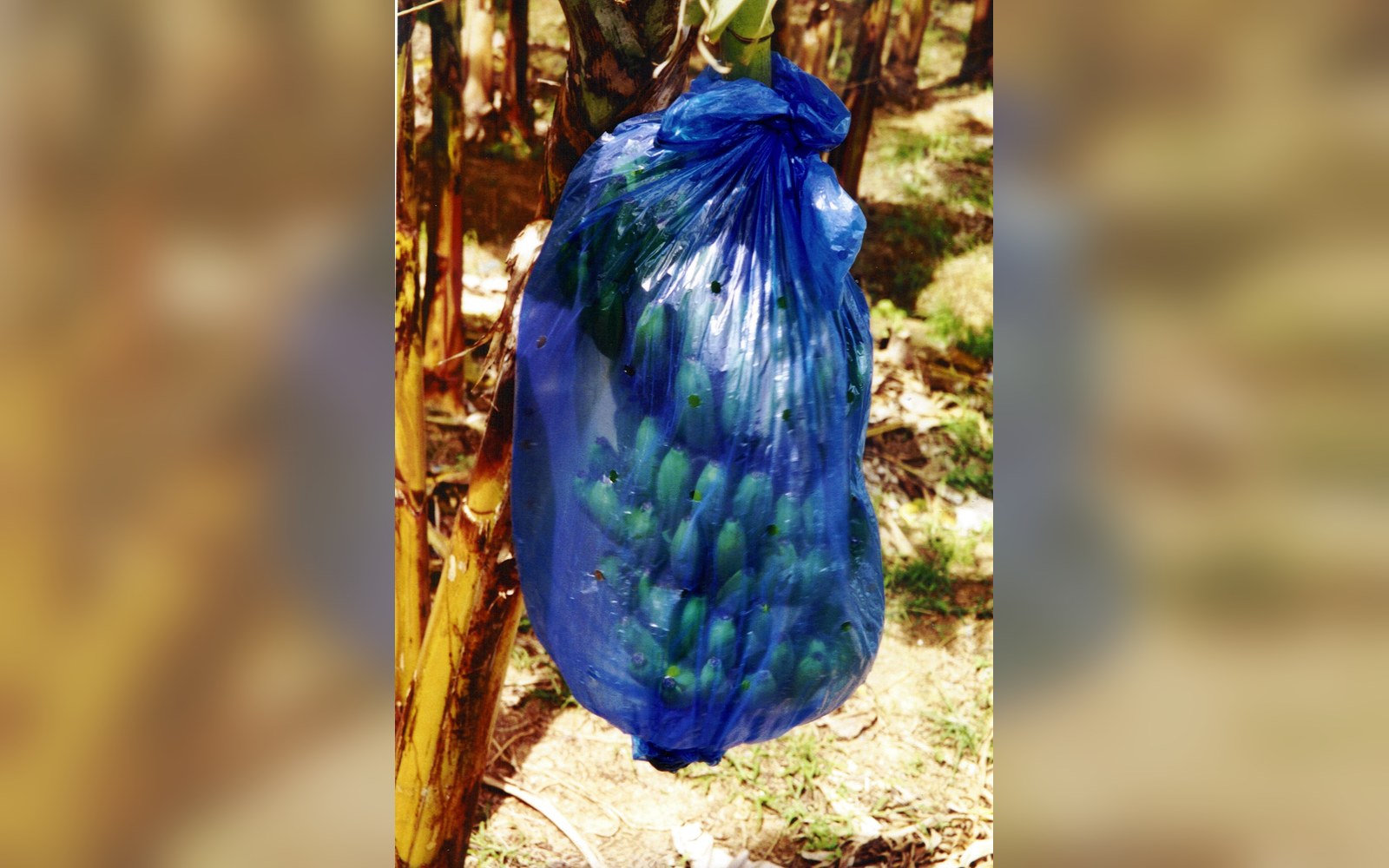
How a guaranteed banana market was built, then dismantled
For most of the twentieth century, the small volcanic islands of the Eastern Caribbean sold bananas to Europe on terms that made the trade viable. The fruit left Windward Island hillsides — St Lucia, St Vincent, Dominica, Grenada — and arrived in British supermarkets under a preferential tariff structure that shielded growers from competition with the far larger, far cheaper operations of Central America. That arrangement did not survive the 1990s. A sequence of rulings at the World Trade Organization stripped the preferences away, and the rural economies of several small islands were remade, painfully, in response.

What replaces an export monoculture — Tourism, offshore services and remittances took the place of agriculture unevenly, and the islands that had mountains had more options.
Joana Vittoria / Pexels
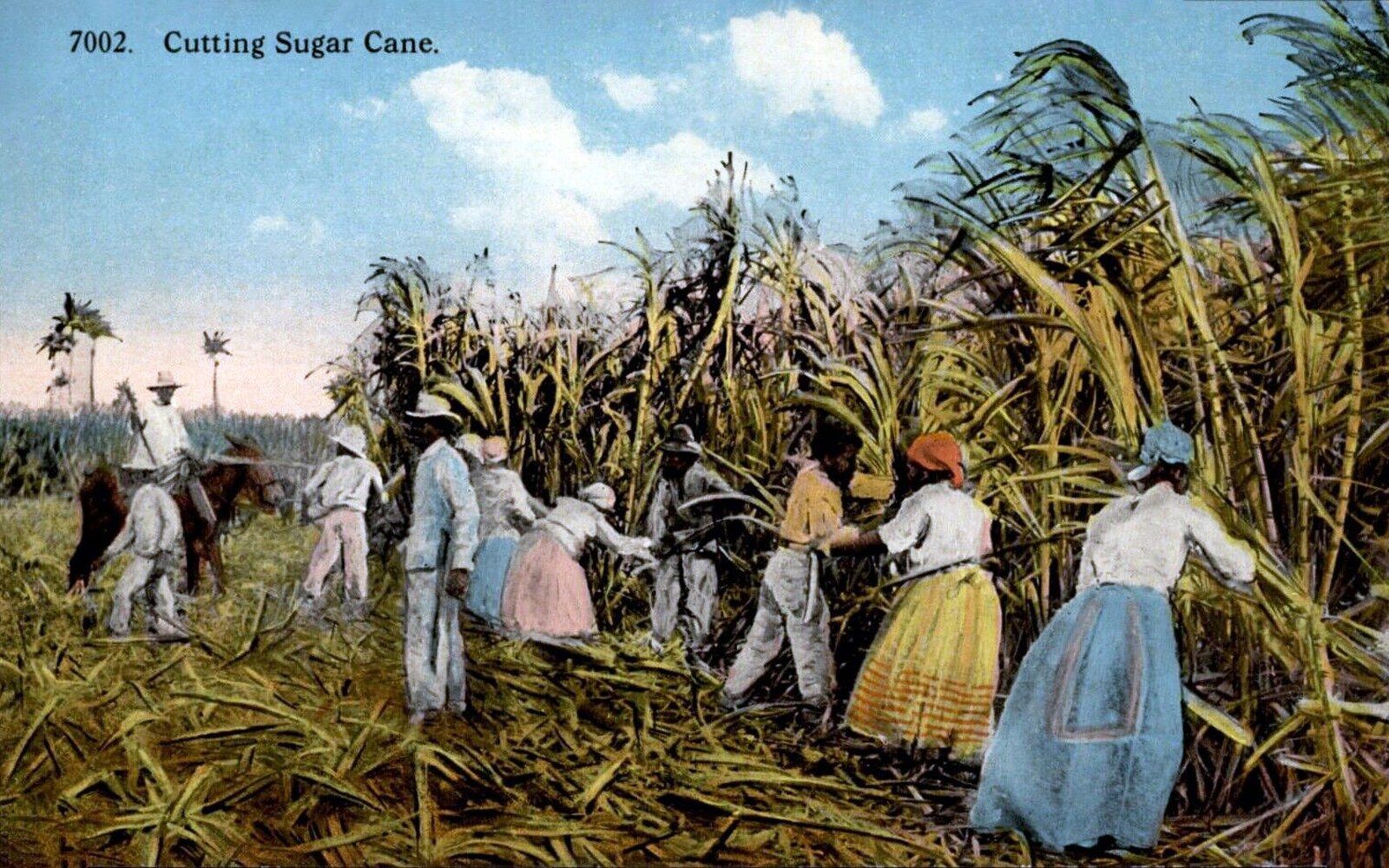
Understanding why the preferences existed at all requires going back to the plantation logic that shaped every island in the region. The sugar economy had been built on enslaved and then indentured labour and on guaranteed metropolitan markets. When sugar declined and emancipated populations needed an alternative livelihood, bananas filled part of the gap across the Windward Islands from the 1950s onward. Britain's preferential access arrangements — formalised through successive Lomé Conventions between the European Community and African, Caribbean and Pacific states — allowed smallholders farming steep volcanic terrain to earn an income that the open market would never have permitted. A Windward Island banana, grown on a few acres of hillside by a family household, cost more to produce than one grown on a flat Central American plantation managed by a multinational. The preference was, in economic terms, a subsidy paid through trade policy rather than through direct aid.
The Lomé framework gave way to the Cotonou Agreement, but before that transition was complete the trade regime had already been challenged. In 1996 the United States — acting on behalf of Chiquita Brands International and Dole, which dominated the Latin American trade — filed a complaint through the WTO against the European Union's banana import regime. Ecuador, Guatemala, Honduras and Mexico joined the action. The complaint was that the EU's preferential tariff quotas for ACP (African, Caribbean and Pacific) suppliers discriminated against so-called dollar bananas from Latin America in violation of WTO rules on most-favoured-nation treatment. The WTO Dispute Settlement Body found repeatedly in the complainants' favour across rulings in 1997 and subsequent appeals, and the United States applied retaliatory tariffs on European goods while negotiations dragged on.
The EU defended its preferences partly on development grounds — the very argument that the preferences existed to support fragile, small economies with no alternative — but the WTO framework had no adequate development exception that could override the basic non-discrimination principle. By 2001, after years of negotiation and panel rulings, the EU agreed to move to a tariff-only system that would eventually remove the quota preferences. The transition was phased, but its direction was irreversible. ACP banana exporters would compete, in an increasingly open market, against producers with structurally lower costs.
What the removal meant on the ground
The consequences were not abstract. In St Lucia, bananas had at their peak accounted for the majority of export earnings and employed a substantial share of the rural workforce. The same was true in St Vincent and in Dominica, where the interior valleys had been organised around banana cultivation for decades. When the price signals changed and the guaranteed volumes disappeared, smallholders who could not reduce their costs — they could not flatten their hills or mechanise their steep plots — left the trade. Banana acreage fell sharply across the Windwards through the late 1990s and 2000s. Some land went to other crops; much of it reverted or was sold.
For most of the twentieth century, the small volcanic islands of the Eastern Caribbean sold bananas to Europe on terms that made the trade viable.
The human dimension was a rural population that had built its expectations around a known market, now asked to compete globally or exit. Windward Island governments had known the arrangement was contested and had lobbied, through CARICOM and through direct diplomatic channels, against the WTO rulings. They commissioned studies, employed trade lawyers, made the development argument repeatedly and lost. The islands were simply too small, and too lacking in geopolitical weight, to shift an outcome determined by the interests of US multinationals and the procedural logic of a rules-based trade body.
What the episode exposed was the structural fragility built into preferential trade as a development model. A preference is not a permanent condition; it is a political arrangement that can be challenged and removed. Islands that had been built around a single export crop — a monoculture — and that had never accumulated the productive diversity to withstand a price shock found themselves acutely exposed when the preferences collapsed. The parallel with sugar, which underwent its own preferential dismantling under later rounds of EU reform, was not lost on regional economists.
The institutional response was real but limited. The EU offered a dedicated Banana Accompanying Measures programme, channelling funds to affected ACP states to support diversification, rural infrastructure and alternative livelihoods. The amounts involved were meaningful at the project level but could not replicate the income stream the preferences had sustained. Donors and regional bodies encouraged farmers to shift toward organic production, fair-trade certification and niche markets — real transitions that some producers made successfully, but which absorbed only a fraction of the former workforce.
Tourism expansion absorbed some of the labour that left agriculture, though unevenly across islands and concentrated in coastal zones rather than the inland communities where banana farming had been centred. Remittances from diaspora communities — predominantly in Britain, Canada and the United States — cushioned rural households in ways that do not appear in the formal economic statistics. The Eastern Caribbean Central Bank's currency peg to the US dollar, maintained continuously since 1976, at least ensured that the monetary framework remained stable while the agricultural sector contracted.
The longer arc
The banana dispute became a case study in the tension between a rules-based multilateral trading system and the development needs of very small, structurally exposed economies. The WTO process was procedurally correct: the EU preferences did discriminate against non-ACP producers, and the rules said they should not. The process was also, from the perspective of the Windward Islands, a mechanism through which the commercial interests of large corporations were given the same standing as the livelihood concerns of smallholders on volcanic islands with no economic alternative.
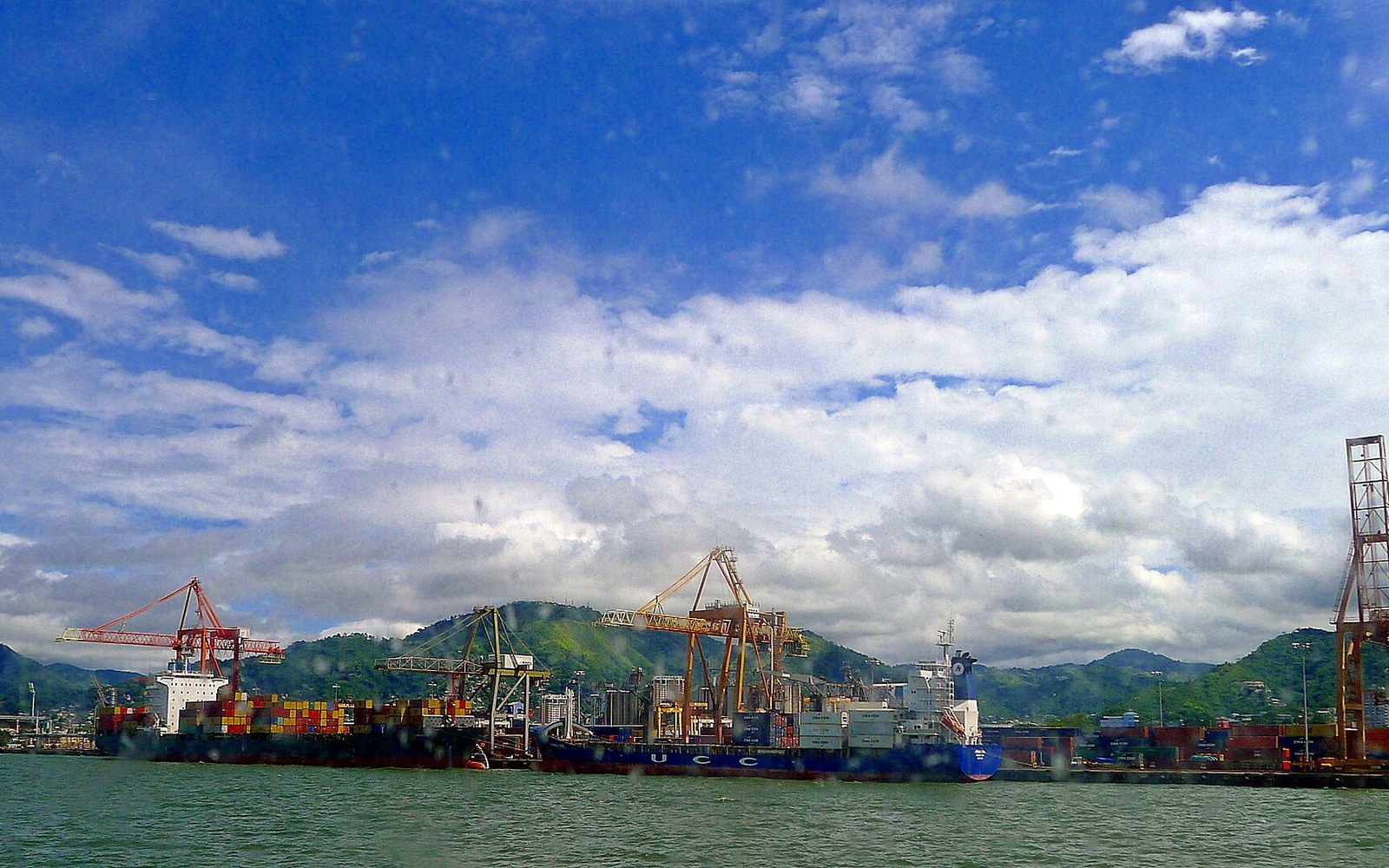
An economy built on hydrocarbons — Trinidad and Tobago's economy runs on natural gas and petrochemicals, which makes it structurally unlike every island north of it.
Point Lisas Port - Trinidad and Tobago, West Indies · Wikimedia Commons
The Windward Island banana sector did not disappear entirely. St Lucia and St Vincent continue to produce bananas, and certified fair-trade and organic fruit still reaches European markets through dedicated supply chains. But the industry's scale, and its centrality to rural life, are shadows of what they were. The landscape itself records the change: hillsides that carried banana plants under their dense canopy now carry secondary forest, pasture or residential development.
What the dispute made permanent was a lesson about the limits of preferential trade as a foundation for small-island development. Preferences could sustain an economy; they could not transform one. The islands that came through the transition least damaged were those that had begun diversifying before the rulings fell, or that had the geographic good fortune — flat land, natural harbour, proximity to a large market — to absorb the shock in other sectors. Those without those advantages are still living with the consequences of a trade dispute settled in Geneva by panels that never visited a Windward hillside.