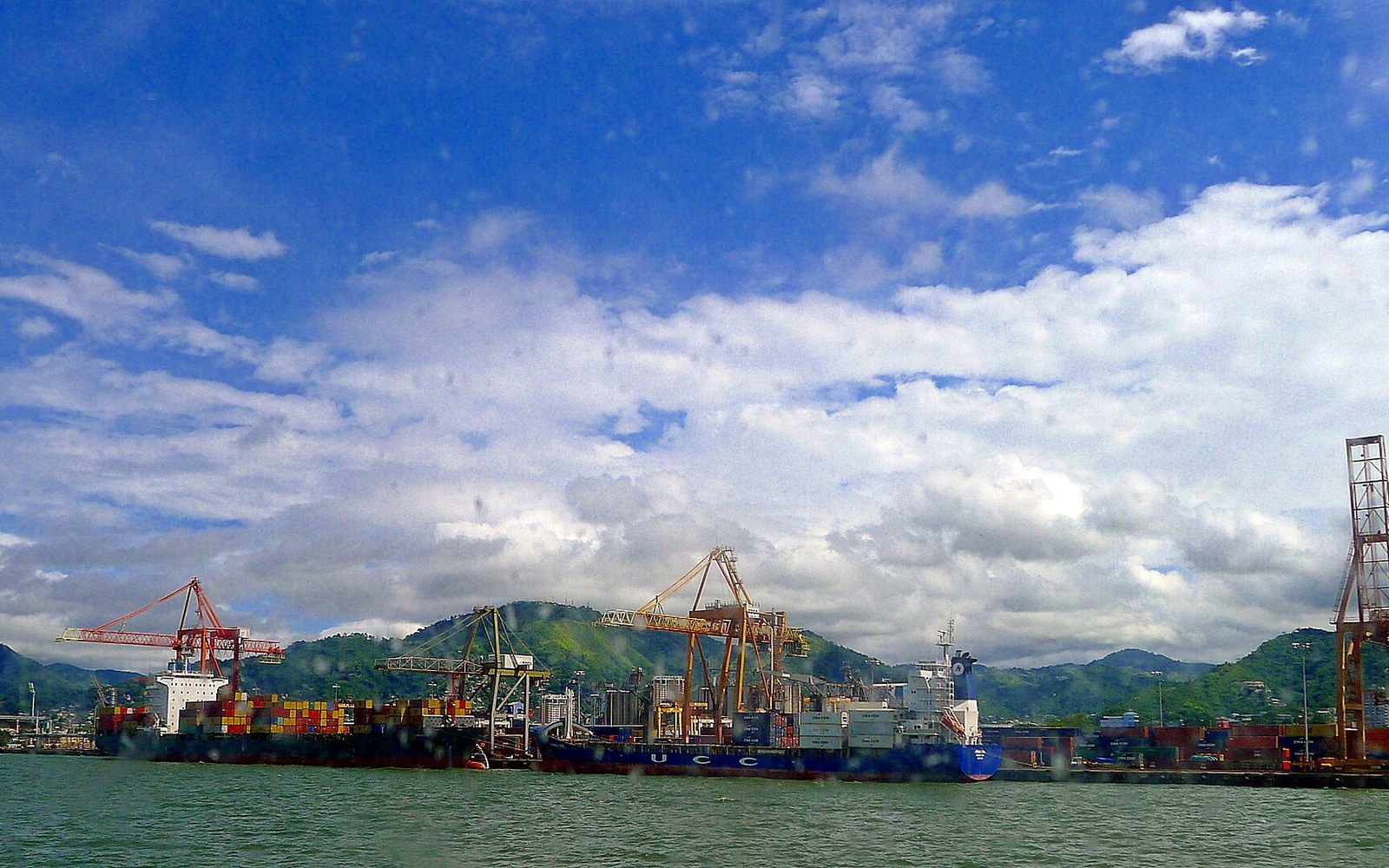
Trinidad is not a typical Caribbean economy
The Caribbean trade on sun, sugar and tourism. Trinidad, by contrast, runs on natural gas extracted from the seabed south and southeast of the island, refined into petrochemicals, liquefied, and shipped to markets that have nothing to do with the holiday trade. That structural fact separates the republic from every island to its north and explains why Trinidad and Tobago carries one of the highest per-capita incomes in the English-speaking Caribbean while hosting almost no resort industry to speak of.
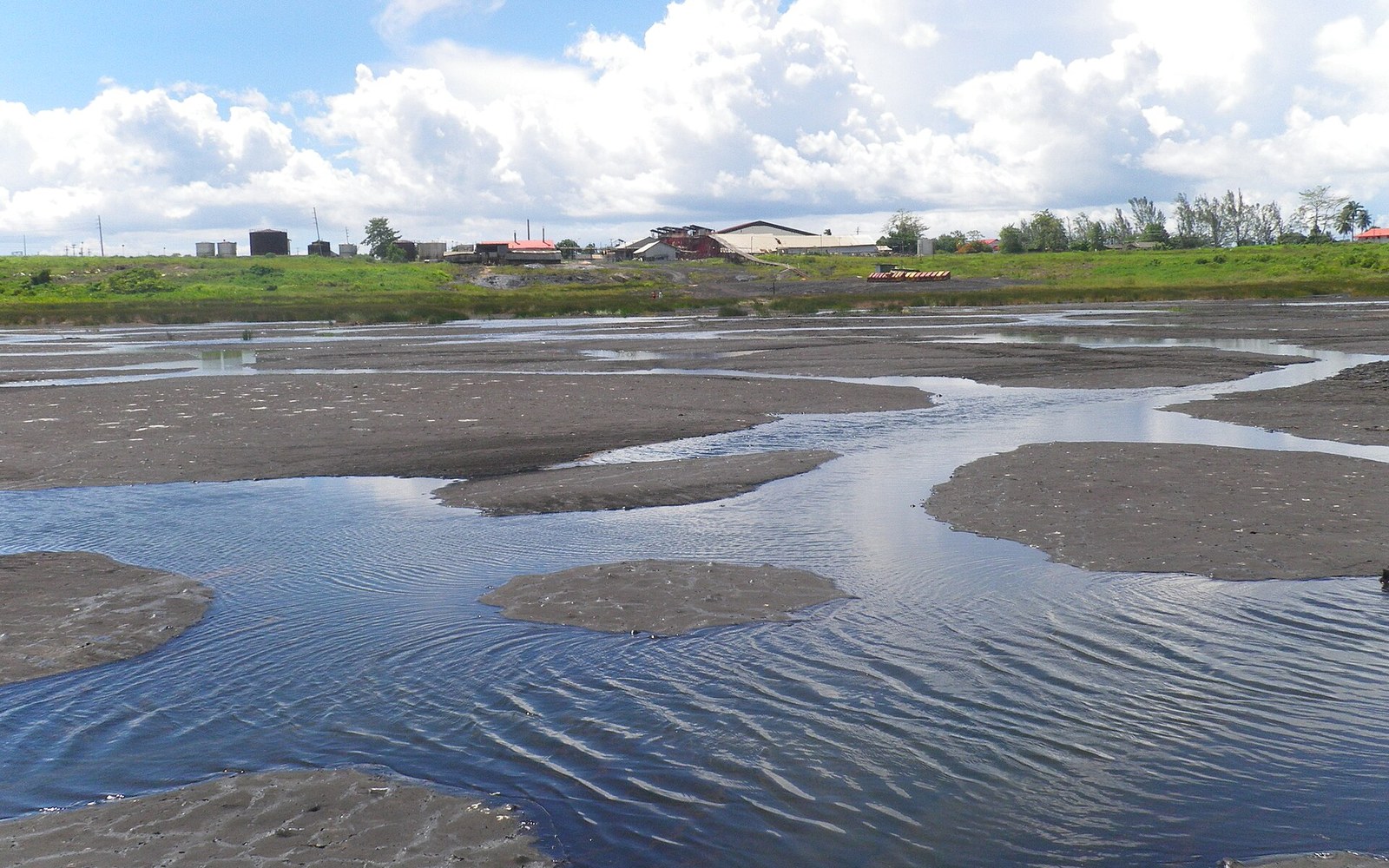
The explanation begins underground. Trinidad sits on the southern margin of the Caribbean Plate, where it meets the South American Plate — which makes it geologically an extension of the South American continent rather than a volcanic island of the Lesser Antilles. That continental setting comes with sedimentary basins: the Columbus Basin offshore to the southeast, and older onshore fields that have been producing since the late nineteenth century. Oil was first commercially extracted near Pitch Lake at La Brea in the 1860s, making Trinidad one of the earliest petroleum economies in the Western Hemisphere. The oil fields matured and declined through the twentieth century, but what replaced them was larger: a vast natural gas resource beneath the Columbus Basin, developed intensively from the 1990s onward.
The gas economy and what it built
Natural gas is now the engine of everything. The Point Lisas Industrial Estate, opened in the 1970s on the island's west coast, was designed around cheap and abundant gas feedstock and grew into one of the most concentrated petrochemical complexes in the Western Hemisphere. Ammonia, methanol, urea, and steel are manufactured there and exported; for several years around 2010 Trinidad and Tobago was among the world's largest exporters of ammonia and methanol, a position built entirely on having gas cheap enough to make energy-intensive chemistry competitive.
Liquefied natural gas follows the same logic. The Atlantic LNG facility at Point Fortin, on the island's southwest coast, opened its first train in 1999 and eventually ran four, making Trinidad and Tobago a significant LNG supplier to the United States and later to Europe and Latin America. The LNG sector attracted major international operators — BP, Shell, and BHP among them — and the revenues they generated transformed public finances. Government receipts from the energy sector, which include royalties, corporate taxes, and dividends from the state company NGC (National Gas Company), have typically funded between forty and sixty percent of the national budget in years of high prices, though that share fluctuates sharply with the commodity cycle.
The state's footprint in the energy economy is deep and deliberate. Petrotrin, the state oil company, was dissolved in 2018 after accumulating debts it could not service, but NGC retains effective control of the gas transmission and marketing infrastructure, and Heritage Petroleum Company was created from Petrotrin's upstream operations. The government's relationship with the sector is therefore not that of a regulator at arm's length but of a participant with financial interests in every stage of the chain.
That continental setting comes with sedimentary basins: the Columbus Basin offshore to the southeast, and older onshore fields that have been producing since the late nineteenth century.
The structural risks that come with it
An economy concentrated in hydrocarbons accrues a familiar set of vulnerabilities. The most immediate is price exposure. When oil and gas prices collapsed in 2015 and 2016, Trinidad and Tobago's fiscal position deteriorated rapidly; the Heritage and Stabilisation Fund — a sovereign wealth fund established in 2007 to accumulate windfall revenues during high-price periods — was drawn down to cushion the deficit. That fund, governed by law and reported quarterly by the Central Bank of Trinidad and Tobago, reflects a deliberate institutional choice to manage the cyclicality that pure commodity dependence creates, and its balance has moved significantly in both directions as prices have swung.
The second vulnerability is depletion. Gas production from the Columbus Basin peaked and has since declined from its high point in the early 2010s. New discoveries have been made, including cross-border fields straddling the maritime boundary with Venezuela — the Dragon field agreement being the most discussed — but bringing those reserves into production involves both technical complexity and geopolitical negotiation that oil and gas development on the Venezuelan border inevitably entails. The republic's medium-term production trajectory depends on resolving those negotiations in a usable form.
The third is the Dutch disease problem: when hydrocarbons dominate export earnings and government revenue, the exchange rate and wage structure tend to crowd out other tradeable industries. Agriculture, once a significant sector in Trinidad and still present in Tobago's economy, has contracted. Manufacturing outside the petrochemical complex is limited. Tourism, which drives Barbados, St Lucia, and most of the OECS island economies, barely registers in Trinidad's GDP, partly by policy choice and partly because the infrastructure and promotional investment that a tourism sector requires were never built when energy revenues made it unnecessary. Tobago, administratively joined to Trinidad but economically distinct, does depend on tourism, which creates a persistent tension within the dual-island republic about development priorities and fiscal transfers.
Institutions, currency and trade position
Trinidad and Tobago's currency, the Trinidad and Tobago dollar, is managed by the Central Bank under a de facto peg to the US dollar — maintained not by treaty like the Eastern Caribbean Central Bank's arrangements but by managed intervention in the foreign exchange market. During energy booms, the country accumulates US dollar reserves adequate to defend that rate; in downturns, the Central Bank draws those reserves down and periodically restricts access to foreign exchange, which creates a parallel market and commercial friction. The foreign exchange queue — delays of weeks or months between a company placing an order for US dollars and receiving them — became a significant business grievance in the years following the 2015 price fall.
Within CARICOM, established by the Treaty of Chaguaramas in 1973, Trinidad and Tobago occupies an unusual position: it is the only member with a substantial industrial export base, and it supplies fuel, petrochemicals, and manufactured goods to smaller island neighbours. That role gives it economic weight within the community disproportionate to its land area, and it also means that when the Trinidadian economy contracts, smaller CARICOM members that depend on regional trade and remittance flows from Trinidad feel it downstream.
The republic is a member of the World Trade Organization and participates in the CARICOM Single Market and Economy, but its trade structure has more in common with a mid-sized commodity exporter than with the service-and-tourism economies to its north. Energy products typically account for well over eighty percent of export earnings in any given year; the non-energy economy, while real and diversified by Caribbean standards, remains secondary to a degree that successive governments have acknowledged without fully reversing.
The fundamental bet that underlies everything is that hydrocarbons will remain valuable long enough for the revenues to be converted into something more durable — human capital, infrastructure, institutional quality, or investment in the clean-energy transition itself. Whether that conversion happens before the basin depletes is the central economic question the republic faces, and it is one the energy price cycle alone cannot answer.