
The end of guaranteed markets
The plantation economy left every island producing one thing for one buyer. Sugar dominated the Greater Antilles and several smaller territories for centuries; bananas took over much of the Windwards in the twentieth century under preferential trade arrangements that shielded growers from world prices. When the WTO disputes of the 1990s dismantled those preferences, Dominica, St Lucia and St Vincent lost the pricing floor that had kept smallholder agriculture viable. The transition was not gradual — export volumes collapsed within a decade, and the question of what comes next became urgent rather than theoretical.
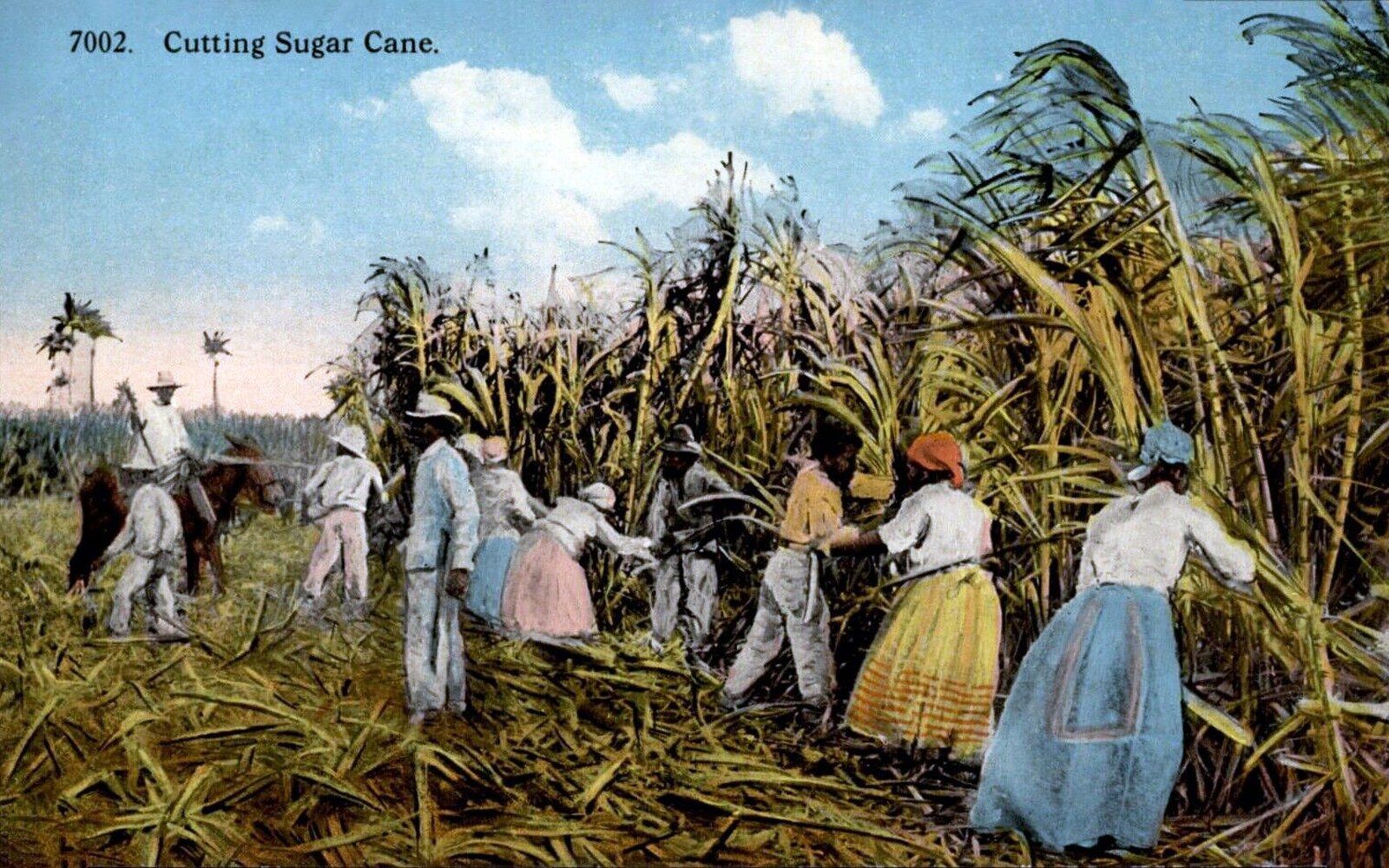
The answer, across most of the region, turned out to be three things: tourism, offshore financial services, and remittances. Each carries its own structural logic and its own vulnerabilities, and the mix varies sharply depending on what the land itself offers.
What the land offers, and to whom
Flat limestone islands — Barbados, Antigua, the Bahamas — gave up on agriculture relatively early and rebuilt around beach tourism and financial services. The logic is direct: coral sand and shallow water attract visitors; the legal and regulatory infrastructure of a British colonial administration provided a ready skeleton for offshore banking. Barbados developed both, becoming one of the more sophisticated offshore centres in the region. The Bahamas, sitting on a carbonate platform outside the Caribbean Sea proper, went further toward high-end tourism and financial services and further away from any productive agriculture, because the geology offers almost no arable soil.
Mountainous islands had a different menu. The volcanic arc — Dominica, St Vincent, St Lucia, Martinique, Guadeloupe — has terrain that discourages mass-market beach tourism but supports a genuine ecotourism product: rainforest trails, crater lakes, hot springs, dramatic coastlines. Dominica leaned hardest into this positioning, marketing geothermal landscape rather than reef and sand. St Lucia built around the Pitons, two volcanic plugs with a UNESCO listing that constrains development while simultaneously certifying the destination. The mountains also hold water, which means rivers, and agriculture is not impossible, and the orographic rainfall supports some banana and cocoa production even where export monoculture has ended. Terrain does not determine economic fate, but it shapes what is even plausible.
Jamaica sits between these poles: continental rather than volcanic, with enough terrain for coffee and cocoa in the Blue Mountains, a mature tourism industry concentrated on the north coast, and a substantial diaspora sending remittances that now exceed agricultural export earnings. Remittances — transfers from emigrants back to family — quietly became one of the region's largest income streams. They do not appear on trade statistics as exports, they do not employ anyone in a sector, and they are almost impossible for governments to tax or direct. They cushion households after hurricanes, subsidise school fees and medical costs, and support consumption in ways that formal employment cannot. By some estimates for individual territories, remittance inflows represent a larger share of household income than any single formal sector.
Substitutes that create new dependencies
The substitution was real but not clean. Tourism replaced the monoculture of one crop with a monoculture of one industry, and the exposure became visible in 2020 when the sector stopped entirely. Islands that had diversified — Trinidad, with its gas and petrochemical economy, was the clearest case — weathered the shock differently, though Trinidad's own vulnerability lies in commodity prices rather than visitor arrivals. The Eastern Caribbean Central Bank managed a currency peg — fixing the Eastern Caribbean dollar at 2.70 to the US dollar since 1976 — that gave tourism-dependent OECS members price predictability but removed the option of devaluation as a response to external shocks.
Offshore financial services, meanwhile, face continuous pressure from OECD-driven transparency initiatives and shifting definitions of what constitutes a harmful tax regime. Barbados has navigated several rounds of this, adjusting its financial-services model each time while preserving the sector's core.
What the region built after sugar was not a replacement for agricultural self-sufficiency. It was a set of niches in a global economy — destinations, booking platforms, flag-of-convenience registries, diaspora networks — each narrower and more legible to international capital than a cane field, and each carrying its own version of the same structural vulnerability that sugar bequeathed.